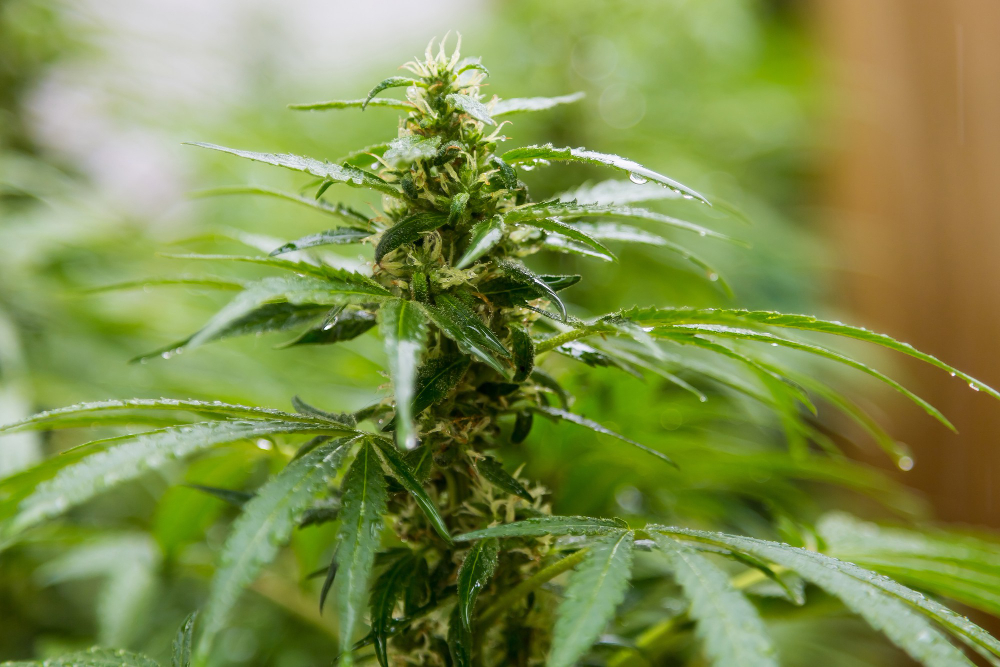
The global medical cannabis industry is experiencing unprecedented growth, driven by expanding legal frameworks and increasing scientific recognition of cannabis for therapeutic applications. However, for producers aiming to transition from local supply to international trade, entering international markets requires meeting strict quality standards. Successfully navigating Medical Cannabis export depends heavily on compliance with standardized agricultural practices—most notably Good Agricultural and Collection Practices (GACP).
The Challenge of Entering International Medical Cannabis Markets
Exporting medical cannabis is not simply a matter of scale; it is fundamentally a matter of quality assurance and regulatory compliance. Overseas buyers, particularly pharmaceutical manufacturers in Europe, North America, and Australia, demand strict consistency, purity, and safety in raw materials.
Without international certification, producers face significant hurdles, including:
- Product Rejection: Batches failing pesticide, heavy metal, or microbial contamination tests at importing customs.
- Regulatory Barriers: Inability to secure import permits due to lack of standard verification.
- Supply Chain Disruption: Inconsistent chemical profiles (cannabinoid levels) batch over batch.
To mitigate these risks and establish long-term trade partnerships, adhering to recognized standards like GACP is essential.
What is GACP and Why Does It Matter for Export?
Good Agricultural and Collection Practices (GACP) outline the guidelines for growing, harvesting, and handling primary plant materials used for medicinal purposes. In the context of medical cannabis, GACP establishes controls over every step of the early supply chain:
- Cultivation & Propagation: Ensuring genetic stability and preventing contamination from soil, water, or fertilizers.
- Harvesting & Handling: Standardizing harvesting times and equipment hygiene to preserve active compounds.
- Post-Harvest Processing: Controlling drying, trimming, curing, and storage conditions to prevent mold and degradation.
The Bridge Between GACP and EU GMP
A critical consideration in Medical Cannabis export—especially when targeting European markets—is understanding how GACP interacts with Good Manufacturing Practice (EU GMP).
While GACP governs the agricultural stage (from seed to dried raw flower), EU GMP governs the pharmaceutical processing stage (extraction, formulation, packaging). GACP certification serves as the prerequisite foundation; pharmaceutical manufacturers cannot process raw cannabis into GMP-certified medical products unless the incoming biomass was cultivated under GACP-compliant standards.
[ GACP Standard ]                [ EU GMP Standard ]
Cultivation ➔ Harvest ➔ Drying  ➔  Extraction ➔ Processing ➔ Packaging
  (Raw Biomass Stage)              (Finished Pharmaceutical Product)
Preparing Your Facility for GACP Certification
Achieving GACP compliance requires systemic operational readiness rather than simple surface-level adjustments. Key steps include:
- Comprehensive Standard Operating Procedures (SOPs): Documenting every process from seed selection to batch packaging.
- Traceability & Record Keeping: Tracking batch histories so any end product can be traced back to its specific cultivation plot and input materials.
- Environmental Controls: Monitoring temperature, humidity, and airflow to minimize microbial risks.
- Third-Party Verification: Partnering with accredited international certification bodies to audit and validate your operations.
Producers seeking detailed guidance on compliance, auditing processes, and global trade prerequisites can explore resources such as the SGS GACP for Medical Cannabis Export Market framework to better understand certification expectations.
The Bottom Line
As international regulations tighten, third-party GACP certification is no longer optional—it is a mandatory prerequisite for global market access. By establishing GACP-aligned protocols early in the cultivation cycle, producers can safeguard product safety, secure international buyer trust, and position themselves for long-term success in the competitive global medical cannabis export market.